Lifestyle: Vineyards, Hills and Villages. A Wedding Among the Vines
Golden sunsets, authentic flavours and endless rows of vines:
the expert guide to planning a refined,
immersive and distinctly Italian vineyard wedding.
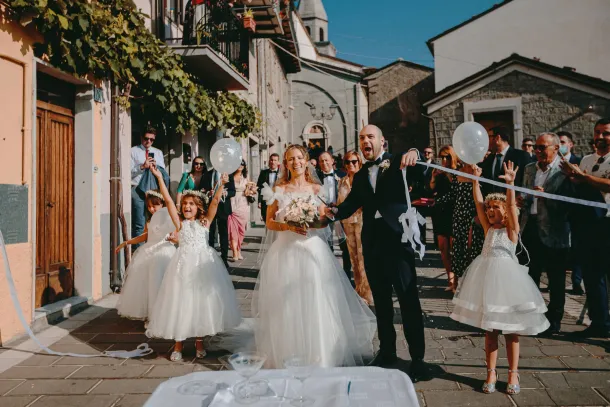
There are places that do not need to be transformed to become the perfect setting for a wedding. A vineyard at sunset, the gentle contours of the hills, a medieval village in the distance and the scent of the countryside already create a naturally romantic atmosphere. A wedding among the vines is not simply an aesthetic choice or the latest social-media trend: it represents a genuine way of life, shaped by conviviality, authenticity, a slower pace of life and a profound connection with the land. From the hills of Piedmont and Veneto to Tuscany, Umbria, Puglia and Sicily, Italy offers extraordinarily diverse wine regions, each with its own architecture, native grape varieties, rich local cuisine and hospitality traditions. If you dream of raising a glass surrounded by nature, dining beneath the stars and allowing your guests to experience the most authentic side of Italy, here are the planning details you should not overlook.
1. Choosing the right wine region. Not all vineyards are the same, nor is the experience they can offer. Northern Italy provides orderly landscapes, historic cellars and spectacular autumn foliage, from the Langhe and Monferrato in Piedmont to Valpolicella and the Prosecco Hills in Veneto. Central Italy offers the timeless charm of Tuscany and Umbria, with cypress-lined roads, stone villages, panoramic estates and rolling hills that seem made for a romantic film set. Southern Italy, particularly Puglia and Sicily, tells a different story, defined by sun, warm earth, dry-stone walls, ancient farms and native vines growing along the Mediterranean coast. Here the wedding season can extend well into autumn, and the celebration takes on the relaxed, generous spirit of Southern Italy. Before falling in love with a beautiful photograph, however, consider the practical aspects of the venue: accommodation capacity, distance from airports and hotels, accessibility with coaches/buses, availability of indoor spaces and the possibility of hosting every stage of the event without complicated transfers. The landscape should be breathtaking, but it must also work perfectly.
A vineyard wedding is much more than a beautiful outdoor celebration: it is an immersive journey through landscape, wine, food and Italian hospitality. Choose the right region, respect the natural rhythm of the vines, design a guest experience rooted in the local culture and landscape and prepare a Plan B every bit as beautiful as the original vision. The result will be a refined, authentic and unforgettable celebration.
2. Follow the rhythm of the vineyard. A vineyard is a living, productive environment, and its appearance changes significantly throughout the year. In spring, the first green shoots create a delicate and luminous landscape; in summer, the vines become lush and intense; from late August to October, depending on the region and grape variety, harvest season fills the estates with colour, fragrance and activity. Before confirming your date, ask exactly how the vineyard will look like and whether the harvest or other agricultural operations could affect the spaces reserved for your celebration. The timing of the day should be adapted to the available sunlight. A symbolic ceremony among the rows of vines is at its most beautiful in the late afternoon, when the temperature cools down and the golden light enhances both the setting and the photographs. The aperitivo can continue near the cellar, followed by dinner beneath a pergola, in a stone courtyard or on a terrace overlooking the hills. Remember, however, that a vineyard is first and foremost an outdoor setting: uneven ground, high temperatures, humidity, insects and sudden weather changes must all be considered. Inform your guests about appropriate footwear, provide shaded areas, water stations and fans in summer or shawls in cooler weather, and make sure pathways are safe and properly illuminated.
3. Wine as the common thread of the experience. At a vineyard wedding, wine should not be reduced to a decorative theme or a name printed on the table plan. It can become the narrative thread connecting the territory, the menu and the guest experience. A private cellar tour, a guided tasting or a welcome drink among the vines can introduce guests to the history of the estate before the celebration begins. During dinner, each course can be paired with a local wine and presented by the producer or a sommelier, transforming the meal into an engaging journey through native grape varieties and regional flavours. The menu should follow the same philosophy, with seasonal ingredients, traditional recipes reinterpreted with contemporary elegance and local products that tell the story of the destination. The stationery and decor can include subtle references to wine culture, such as personalised labels, handmade paper, small bottles of wine as wedding favours or a seating plan inspired by the estate’s vintages. The keyword is restraint. Avoid turning the wedding into a themed party filled with barrels, corks and bunches of artificial grapes. The vineyard already has a strong identity: design should enhance it, never compete with it.
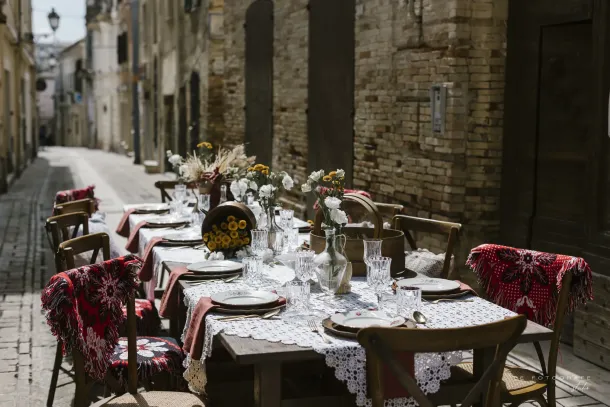
4. Natural elegance, thoughtful design and a flawless Plan B. The most successful vineyard settings feel spontaneous, but they are always the result of careful planning. Long convivial tables, natural linen textiles, handcrafted ceramics, candles and seasonal flowers create an intimate and sophisticated atmosphere without overpowering the landscape. The colour palette can draw inspiration from the vines and the surrounding countryside, combining olive green, ivory, sand, terracotta, burgundy and wine-red tones with touches of copper or brushed brass. Indoor and outdoor lighting is essential: strings of warm fairy lights, discreet spotlights on stone façades, candles and statement chandeliers can completely transform the space after sunset. Every technical detail must be studied in advance, including electricity, kitchen facilities, numer and capacity of restrooms/lavatories, sound restrictions and access for suppliers. And then there is Plan B, which must never be treated as an emergency solution. Choose an estate with an indoor cellar, a covered courtyard or an elegant hall capable of accommodating the same number of guests with the same elegance and atmosphere as the outdoor setup. The decision between Plan A and Plan B should be made within an agreed timeframe, based on weather forecasts and the actual condition of the ground, always in consultation with the venue and local suppliers familiar with the area.
One last thing about the real beauty of getting married in a vineyard. Yes, the sunsets will be spectacular, the photographs will look luxurious and your guests may suddenly become experts in native grape varieties after their third tasting. But the true beauty of a vineyard wedding is its ability to make everyone slow down. Phones are lowered, glasses are raised and conversations last longer beneath the lights. Just remember that a romantic walk through the vines is considerably less poetic in twelve-centimetre heels, so mention the terrain on your wedding website. Your guests—and their ankles—will thank you.